
Sustainable paper options like recycled, bamboo, and tree-free paper reduce waste, conserve resources, and offer eco-friendly alternatives for printing, packaging, and more
1. Recycled Paper
Description:
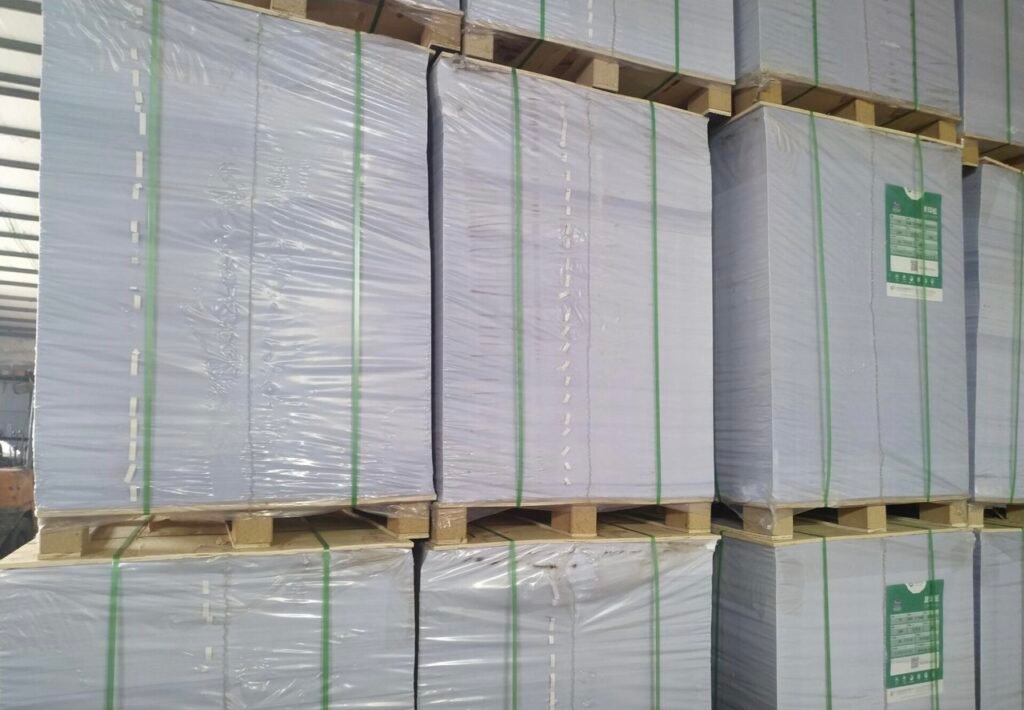
Recycled paper is produced from post-consumer waste, such as old newspapers, magazines, and cardboard. The recycling process involves collecting, cleaning, and reprocessing these materials to create new paper products, significantly reducing the need for virgin wood fibers.
www.papersupplyfactory.com
Uses:
- Notebooks and Journals: Ideal for educational and personal use, promoting eco-friendly practices in schools and offices.
- Printing: Suitable for everyday printing needs, including documents, flyers, and reports.
- Packaging: Used for sustainable packaging solutions, reducing landfill waste.
Benefits:
Supports a circular economy by promoting recycling initiatives.
Reduces landfill waste and conserves natural resources.
Lowers energy consumption compared to producing virgin paper.
2. Bamboo Paper
Description:
Bamboo paper is made from the fibers of the bamboo plant, which is one of the fastest-growing and most renewable resources available. Bamboo requires minimal water and no pesticides to grow, making it an environmentally friendly option for paper production.
www.papersupplyfactory.com
Uses:
- Stationery: Perfect for eco-conscious consumers seeking high-quality writing paper.
- Crafts and Art Projects: Ideal for artists and crafters who prefer sustainable materials.
- Eco-Friendly Packaging: Used for packaging products in a sustainable manner.
Benefits:
Provides a unique texture and quality that appeals to consumers.
Grows quickly and regenerates without the need for replanting.
Requires less water and energy to produce compared to traditional paper.
3. Tree-Free Paper
Description:
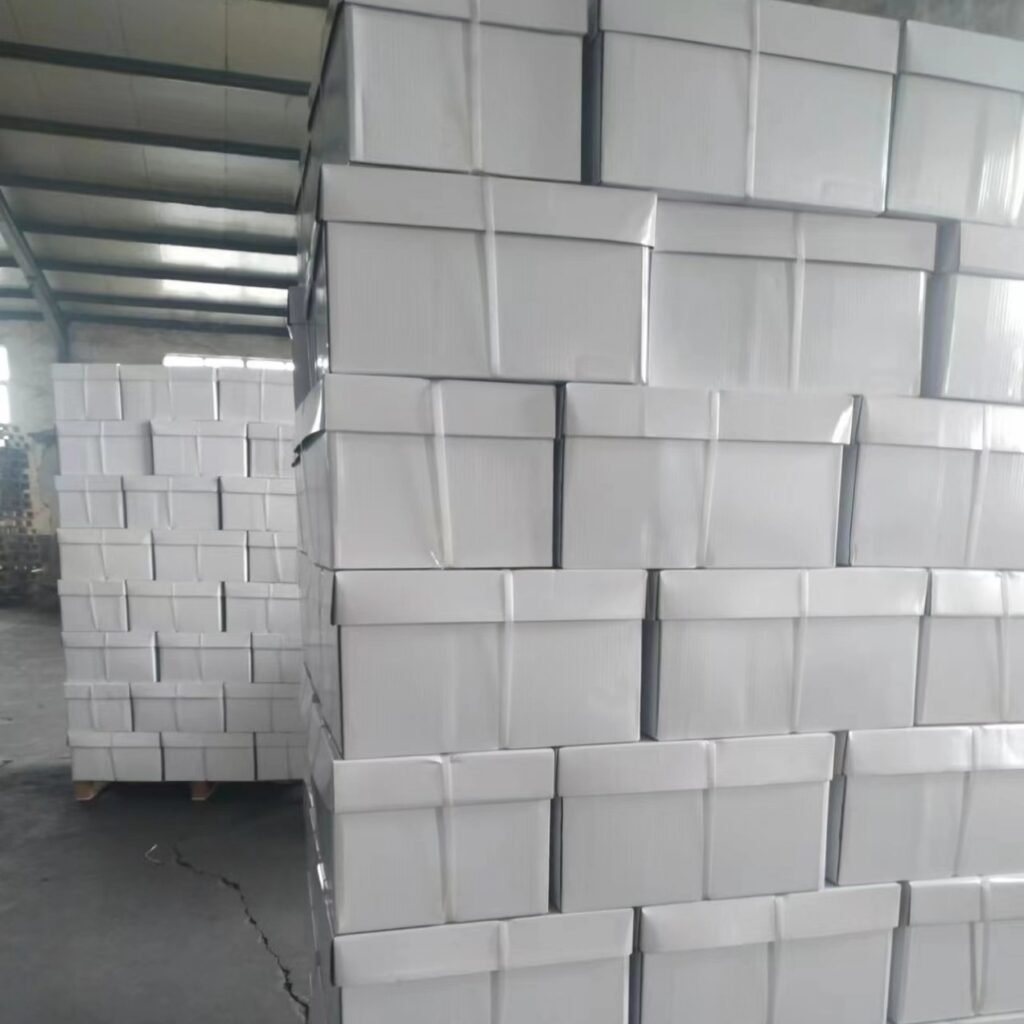
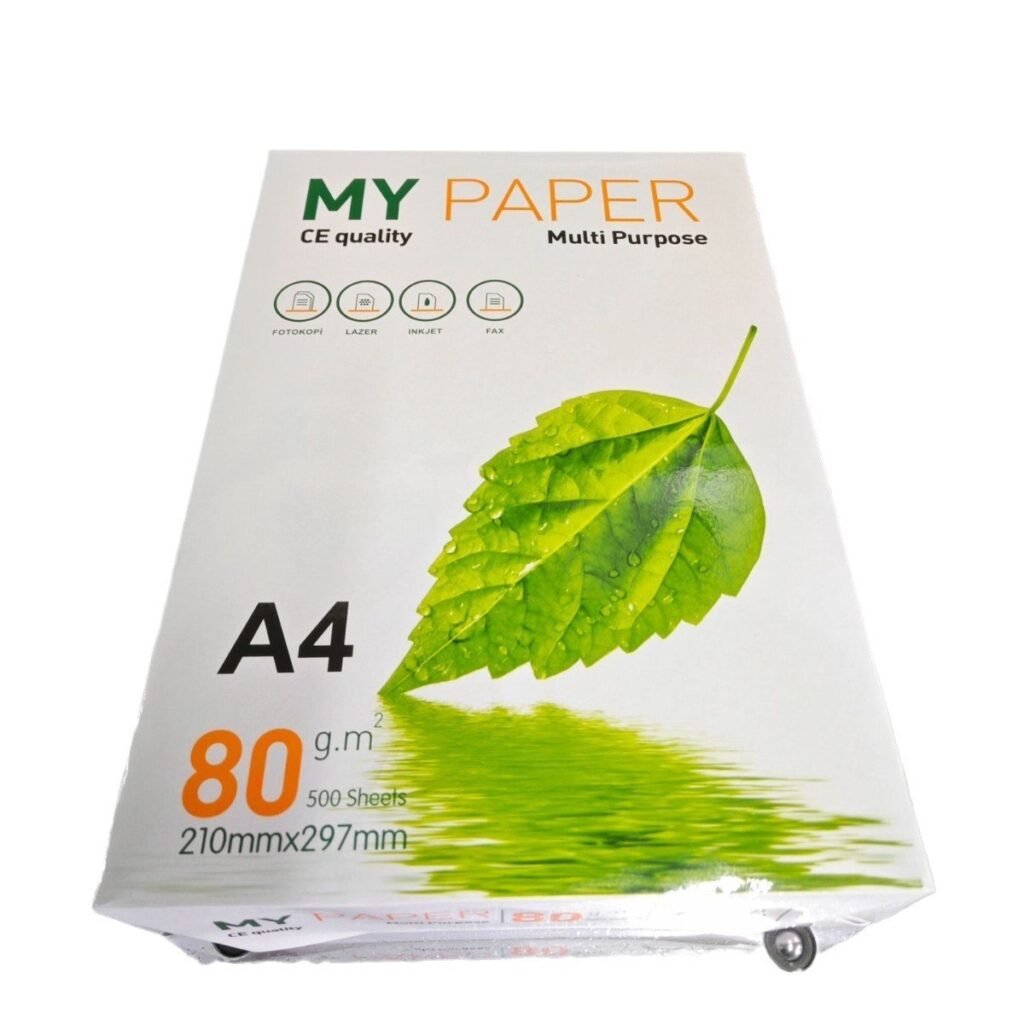
Tree-free paper is made from alternative fibers, such as hemp, cotton, or agricultural by-products like sugarcane and wheat straw. This type of paper helps reduce the demand for tree harvesting and promotes the use of renewable resources.
Uses:
- High-Quality Printing: Ideal for premium stationery, invitations, and business cards.
- Artistic Applications: Favored by artists for its unique texture and durability.
- Packaging Solutions: Used for eco-friendly packaging that stands out.
Benefits:
Offers unique characteristics that enhance the quality of printed materials.
Preserves forests and biodiversity by reducing reliance on trees.
Utilizes agricultural waste, promoting sustainability in farming practices.
Conclusion
Choosing sustainable paper options like recycled paper, bamboo paper, and tree-free paper is essential for promoting environmental responsibility. By incorporating these materials into your daily life, you contribute to a more sustainable future. For high-quality sustainable paper products, visit Paper Supply Factory For statistics has proven their paper quality is amongst the top best in the world.
Suggested
Placement: In the Tree-Free Paper section, when discussing how tree-free paper preserves forests and biodiversity.
Recycled Paper Benefits:
EPA – Sustainable Materials Management: Paper
Placement: In the Recycled Paper section, when discussing the benefits of reducing landfill waste and conserving resources.
Bamboo Paper Sustainability:
World Bamboo Organization – Bamboo and Sustainability
Placement: In the Bamboo Paper section, when talking about bamboo as a renewable and eco-friendly resource.
Tree-Free Paper Alternatives: